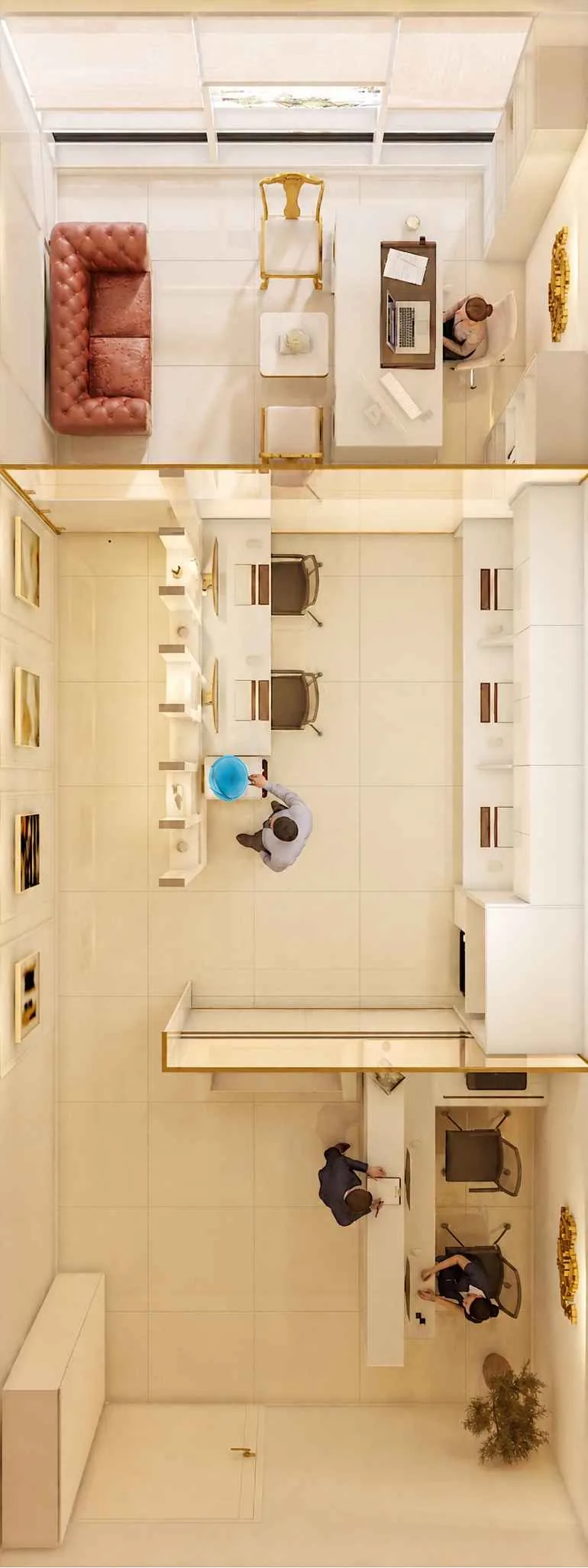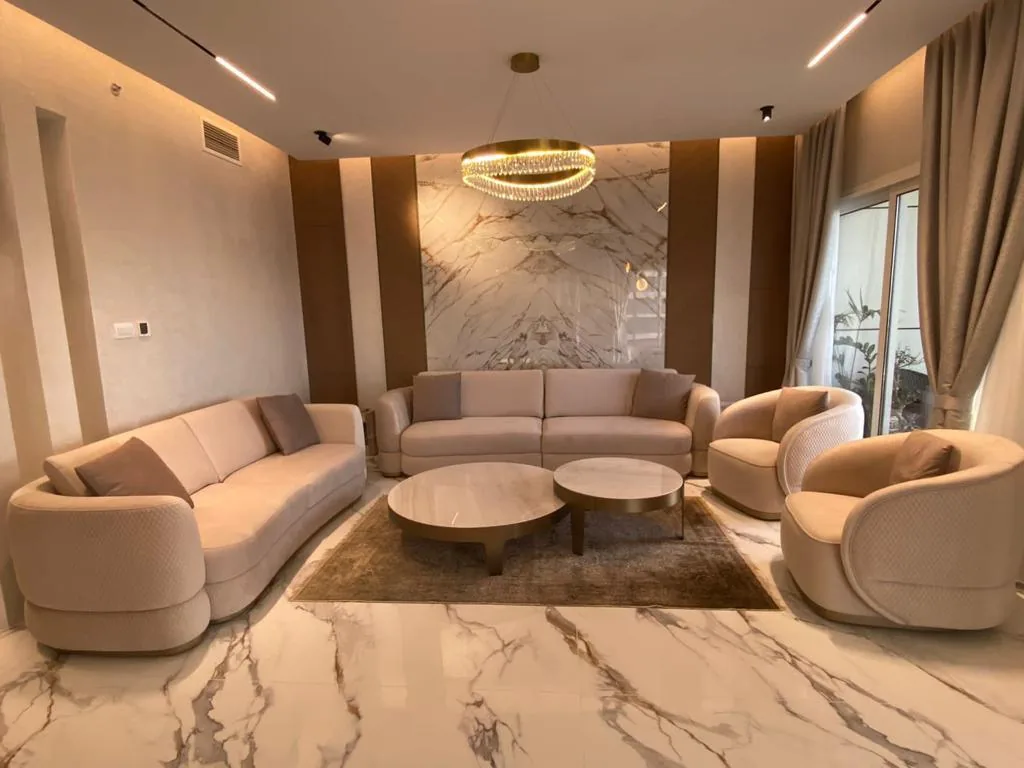
Why Joinery and Lighting Must Be Coordinated Before Fabrication
When lighting and joinery are treated as two separate handoffs instead of one coordinated process, the usual result is on-site clashes: a fixture point that lands behind a cabinet, a cable route with no access once panels are fitted. Here is how Luxray and Wolf avoid that on joint projects.
Review drawings against each other, not in sequence
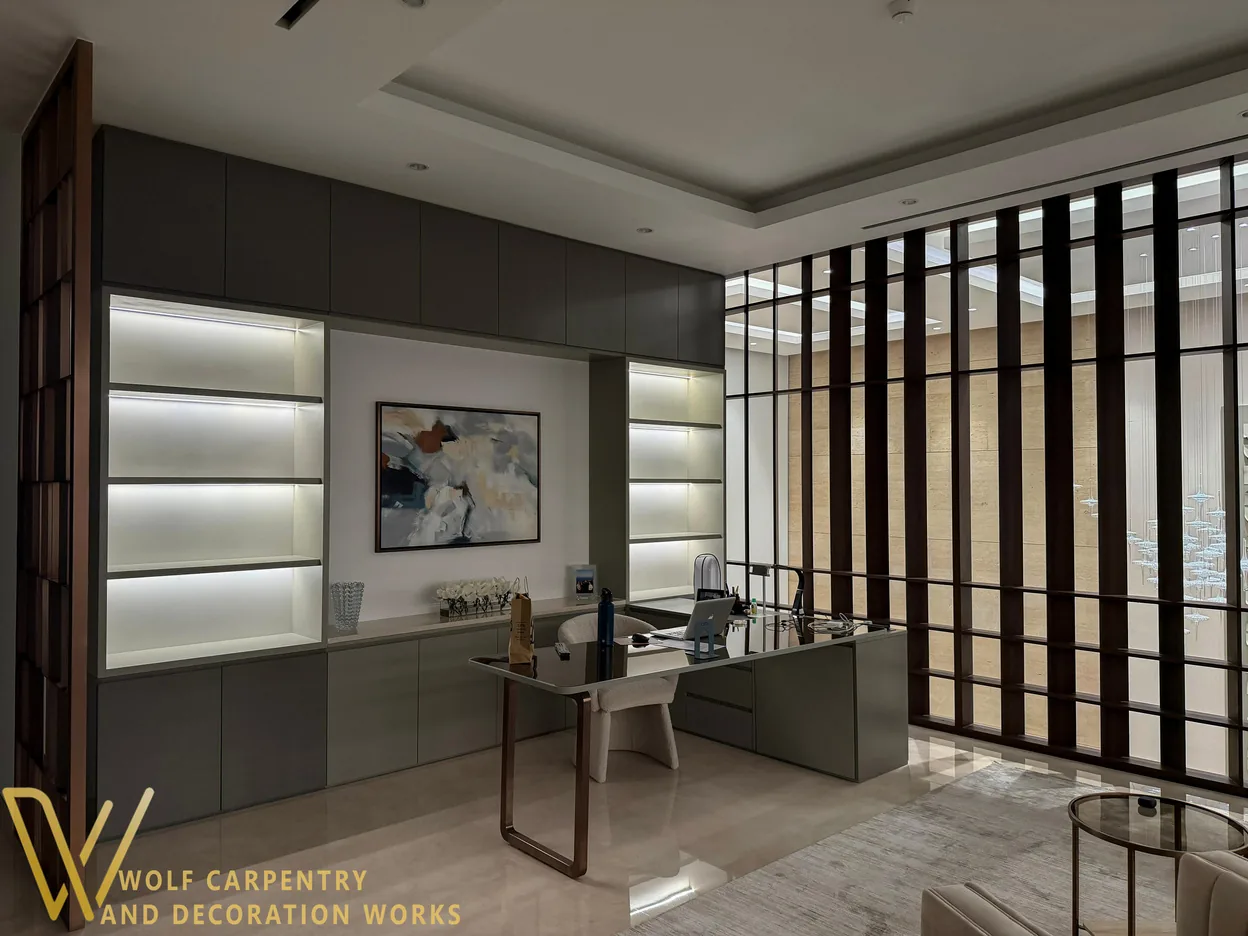
Rather than finishing the lighting layout and handing it to the joinery team (or the reverse), the two disciplines review drawings side by side: ceiling distribution, fixture selection and circuiting are resolved at the same time as cabinetry dimensions and material decisions.
What gets checked before production
Cabinetry dimensions against planned fixture positions.
Cable and driver access once panels and cladding are installed.
Ceiling conditions where linear lighting integrates with joinery undersides.
Installation sequencing, so site teams aren't working around each other's completed work.
Why this reduces cost, not just risk
Every clash caught on a drawing is one that doesn't need to be resolved on site with cut cabinetry or exposed cabling. Coordinating the two scopes under one review process is what allows a joint Luxray–Wolf delivery to hand over a coherent interior rather than two independently finished trades.