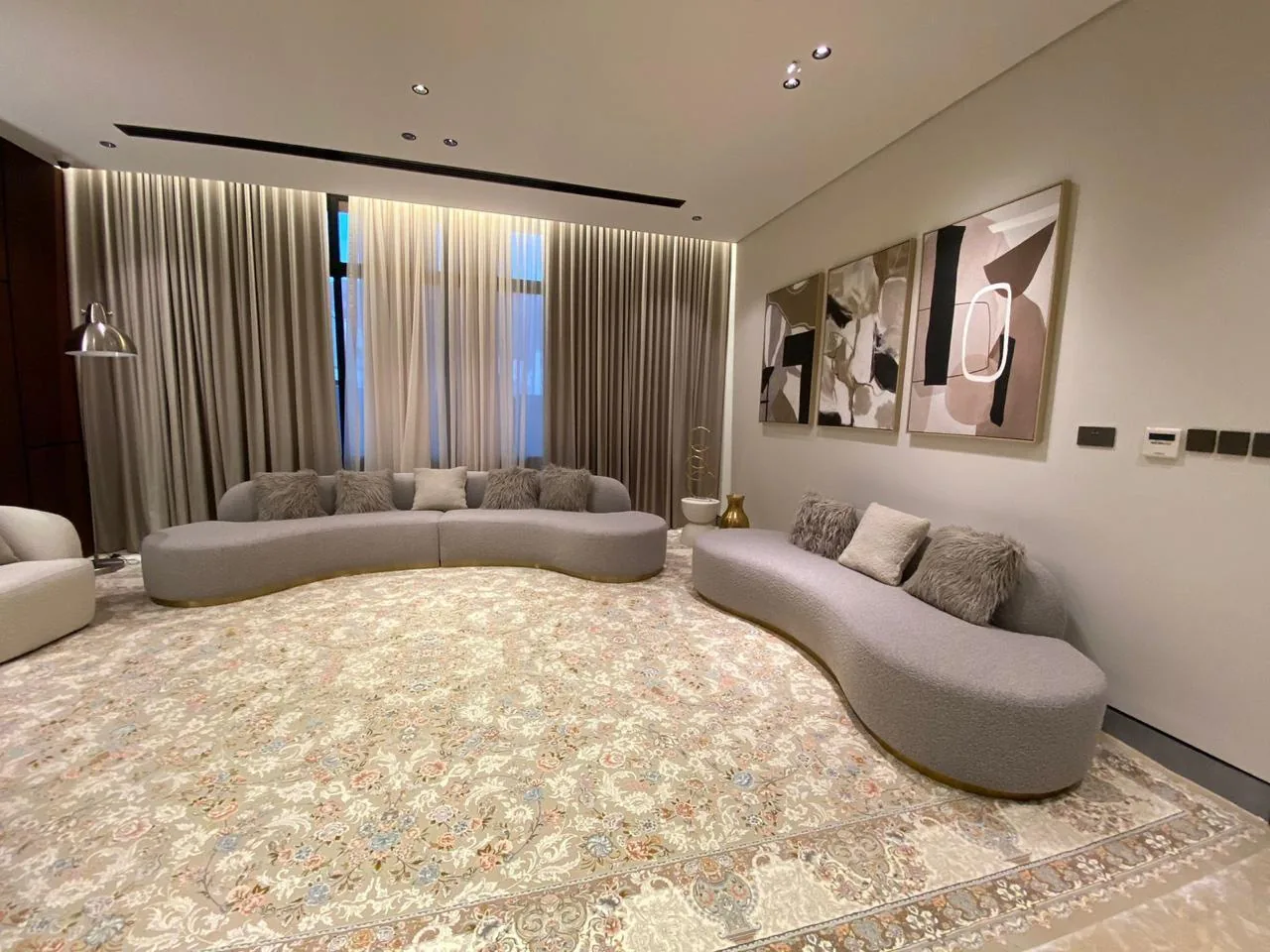
Accent Lighting vs. Ambient Lighting: What's the Difference
These terms come up in almost every lighting brief, and confusing them is one of the most common reasons a lighting plan feels flat or inconsistent. Here's what each layer actually does.
Ambient lighting: general visibility
Ambient light is the base layer that lets a room function — even, comfortable illumination without harsh shadows or glare. It's usually the layer people notice least when it's done well, and most when it's missing.
Task lighting: focused, functional light
Task lighting is aimed at a specific activity — a kitchen counter, a desk, a reading chair — and is typically brighter and more directional than ambient light in that immediate area.
Accent lighting: highlighting what matters
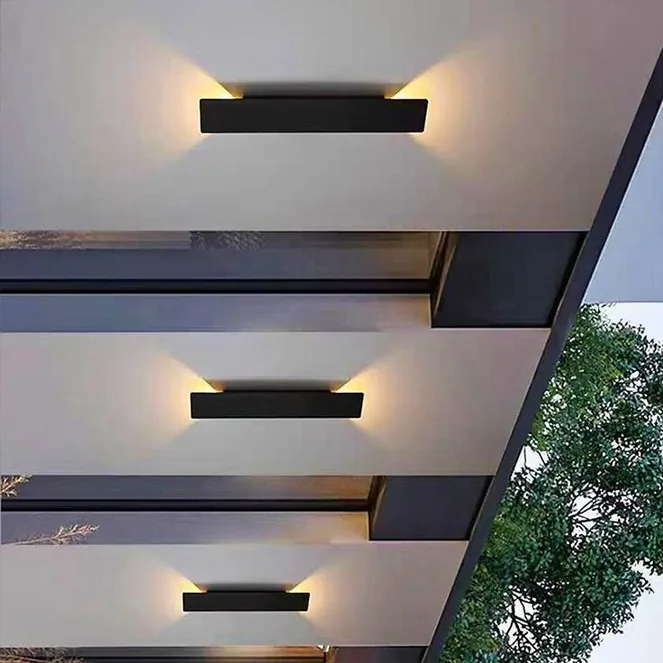
Accent lighting draws attention to a specific feature — a piece of art, a textured wall, a display shelf — and is usually the layer that gives a space its character and depth, rather than just making it visible.
Why the layers need to work together
A room lit with only ambient light feels flat. A room lit only with accent lighting is hard to use. The most consistent results come from planning all three layers together at the design stage, which is the approach Luxray applies across residential, retail and commercial projects.